

Professional Learning for Professional Educators
Program Overview
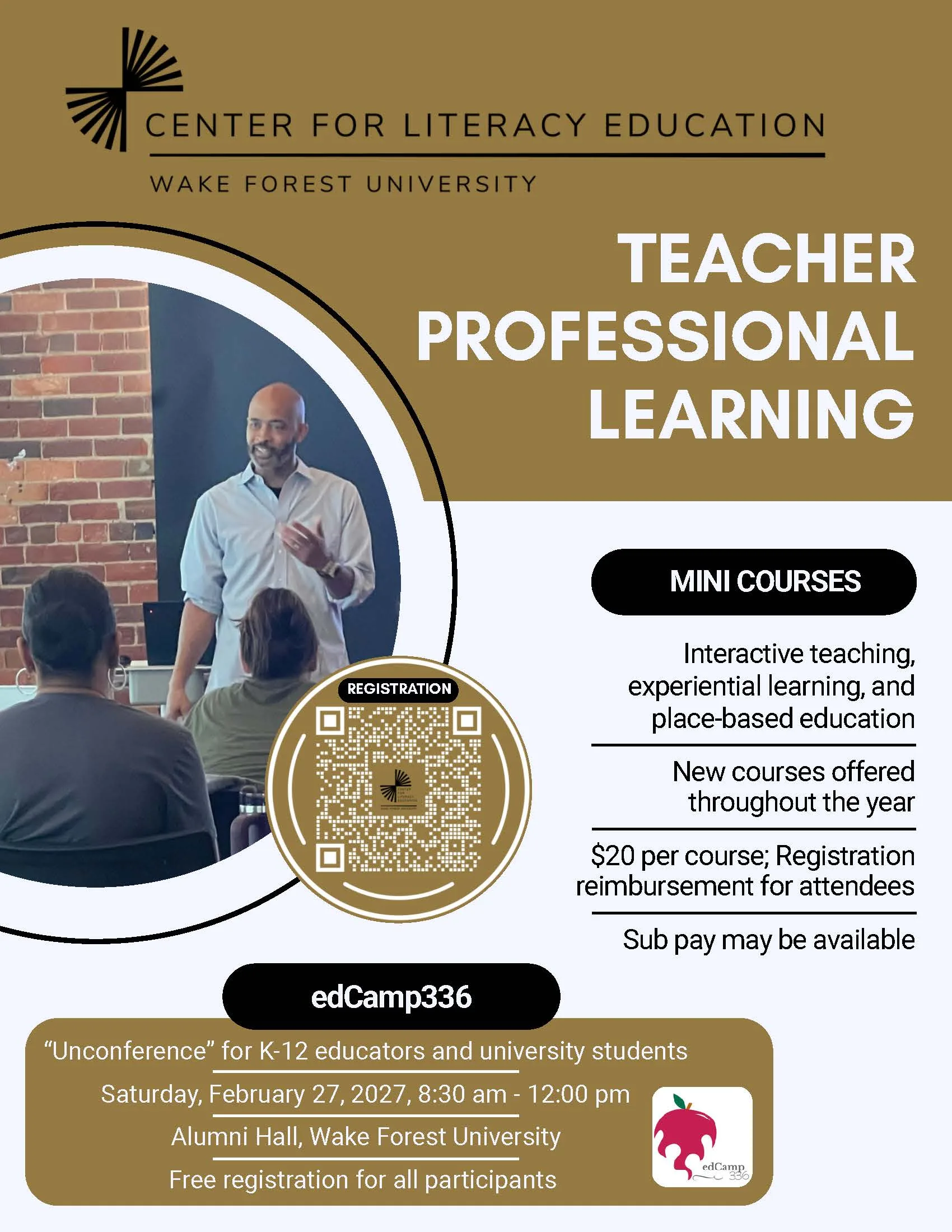
The Wake Forest Center for Literacy Education offers professional learning for K-12 educators. These courses are intended to bring literacy to life for local public school teachers and school leaders through the use of interactive teaching, experiential learning, and place-based education.
No matter what or where you teach, we have a course for you. Using a lifelong learning approach through short enrichment courses taught by Wake Forest faculty, staff, and community partners, these non-credit bearing courses focus on meaningful professional learning around topics in literacy education designed specifically to encourage and empower K-12 public school teachers and administrators to apply what they have learned to their own classroom and school environments.
Registration Information
Course descriptions and registration information can be found below. Registration and payment are required, and seats are limited.
There is a non-refundable $20 registration fee for in-person and virtual teacher professional learning courses. K-12 public school educators, university pre-service teachers, and Wake Forest alumni who attend an entire in-person course will receive a $20 gift card to reimburse their registration fee. Gift cards are not available for participants in virtual coursework.
Days and times vary and include school day, evenings, and weekend offerings.
Participants will be contacted within a week of submitting registration and payment information to learn if they have been enrolled or waitlisted for the course. Refunds will only be offered to registered participants who do not make it off the waitlist or if a course is cancelled or postponed. The registration fee for enrolled participants who do not attend for any reason will be considered a donation to the Center for Literacy Education to support future Teacher Professional Learning courses.
A certificate of completion will be provided for submission to each participant’s school, district, or agency in order to request continuing education credit. Please refer all questions to .
Upcoming Course Descriptions & Registration
Instructor: Janie Bass, Coordinator of Early Childhood Education, and Krystal Keener, Gardens Education Specialist, Reynolda House and Gardens
Date: Friday, October 23, 2026
Time: 9:00 to 11:30 am
Instructional Contact Hours: 2.5
Location: Reynolda Gardens
Primary Audience: Early childhood, elementary education, special education, and nontraditional education teachers and administrators
Note: Appropriate for any teachers interested in outdoor learning though content is primarily geared toward teachers of early readers

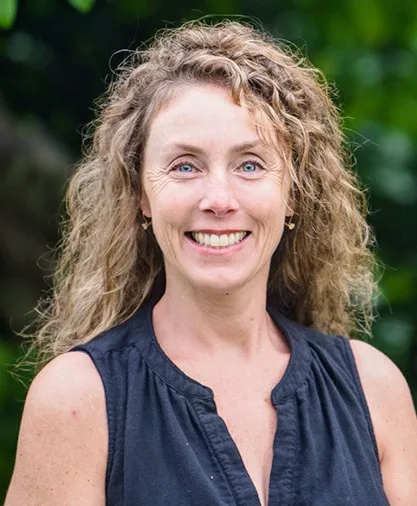
In this hands-on professional learning experience, Growing Readers through Nature Exploration, teachers will explore Reynolda Gardens as a living classroom through woodland exploration, children’s books, observation, conversation, and reflection. Participants will experience how time in the natural world can build knowledge, spark meaningful conversation, and give students something real to read, write, and think about. Together, we will consider practical ways to connect outdoor experiences with literacy learning without adding another lesson to an already full school day. Participants will leave with ready-to-use classroom materials, book recommendations, and ideas for bringing experiential and place-based literacy learning into their own classrooms and school environments.
Janie Bass is an educator with more than twenty years of experience in elementary teaching and educational program development. She has taught in both traditional and non-traditional learning environments and has developed programs for elementary students, early childhood learners, families, and school groups. She currently serves as Coordinator of Education at Reynolda Gardens, where she develops K–6 learning experiences that connect students with the natural world and align with North Carolina Standards of Learning. Her work focuses on using nature as a context for building knowledge, vocabulary, and meaningful connections across science and literacy.
Krystal Keener has nearly thirty years of experience in education, including teaching, instructional coaching, and curriculum design and development. She has worked in a variety of educational settings and recently joined Reynolda Gardens as a Gardens Education Specialist. Her work focuses on creating interdisciplinary connections and integrating content learning with literacy. She enjoys designing meaningful learning experiences that connect students’ experiences with reading, language, and content.
Instructor: Dr. Adam Dovico, Academic Director for Educational Leadership and Academic Operations, Wake Forest School of Professional Studies
Date: Wednesday, October 28, 2026
Time: 8:00 am to 10:30 am
Instructional Contact Hours: 2.5
Location: Jefferson Elementary School
Primary Audience: K-5 teachers
Note: Appropriate for any educators, instructional facilitators, administrators, or coaches who are looking for new instructional strategies to promote discourse and engagement.

Join this live classroom demonstration to witness the power of a participatory approach to math instruction. In Talking Math … with Students … in a Classroom, you will observe how to facilitate meaningful student discourse that deepens mathematical literacy and engagement. Following the demonstration, we will debrief together to analyze the techniques used and discuss practical strategies you can immediately implement in your own K-5 classroom.
Dr. Adam Dovico is an accomplished teacher, curriculum facilitator, principal, professor, speaker, and author. For over two decades, he has taught students of all ages through his engaging and rigorous teaching style. He is known for his time at the Ron Clark Academy, Get Your Teach On, Elevate Your Classroom, Moore Elementary School, and Wake Forest University, along with hundreds of keynotes and workshops he has provided for educators worldwide. You can often find Adam standing on a table or chair dressed in one of his signature suits. Organizations such as the Japan Fulbright Memorial Fund, Learning for Justice, and the Atlanta Falcons have recognized him for his leadership and teaching. He continues to work for greater equity in schools through his culturally responsive pedagogy. You can learn more about Adam’s teaching and leadership online at adamdovico.com, on social media @adamdovico, or in his books: Inside the Trenches, The Limitless School, and When Kids Lead.
Instructor: Dr. Remi Kalir, Associate Director, Center for Teaching and Learning, Duke University
Date: Thursday, October 29, 2026
Time: 5:00 – 8:00 pm
Instructional Contact Hours: 3
Location: Z. Smith Reynolds Library Auditorium (Room 404)
Host: Wake Forest Writing Center
Primary Audience: Middle and high school teachers in any discipline

You and your students are annotators who routinely mark texts—such as primary sources, mentor texts, and draft writing—to aid learning. In Amplifying Annotation for Learning, we will explore how the literacy practice of annotation can thoughtfully complement students’ reading comprehension, social connection, and the construction of new knowledge. Together, we will participate in a series of collaborative activities so that you can confidently: guide students to annotate texts together, as with a shared course syllabus; help students annotate their own writing through reflective revision; and encourage your students to annotate for the purposes of close reading, critique, and reader response. We will also briefly address the importance of why, in our moment of AI slop and synthetic text, annotation remains a valuable literacy practice.
Dr. Remi Kalir is a scholar and practitioner of annotation. He currently serves as Associate Director of Faculty Development and Applied Research at Duke University’s Center for Teaching and Learning. Before joining Duke, Remi was a tenured Associate Professor of Learning, Design, and Technology at the University of Colorado Denver School of Education and Human Development. Remi has written two books about annotation and literacy: Re/Marks on Power: How Annotation Inscribes History, Literacy, and Justice (2025), and Annotation (2021), both published by MIT Press. He began his career teaching literacy at Middle School 22 in the South Bronx, and earned his PhD in Curriculum and Instruction from the University of Wisconsin-Madison.
Instructor: Dr. Shari Brady, Vice President of Education and Engagement, Kaleideum
Date: Monday, November 2, 2026
Time: 12:30 pm – 3:30 pm
Instructional Contact Hours: 3
Location: Kaleideum
Primary Audience: Elementary and middle school science teachers
Note: Appropriate for elementary and middle school teachers across disciplines, including those developing interdisciplinary units to help justify a field trip; Attendees are invited to explore Kaleideum from 3:30 until closing at 5:00 pm.
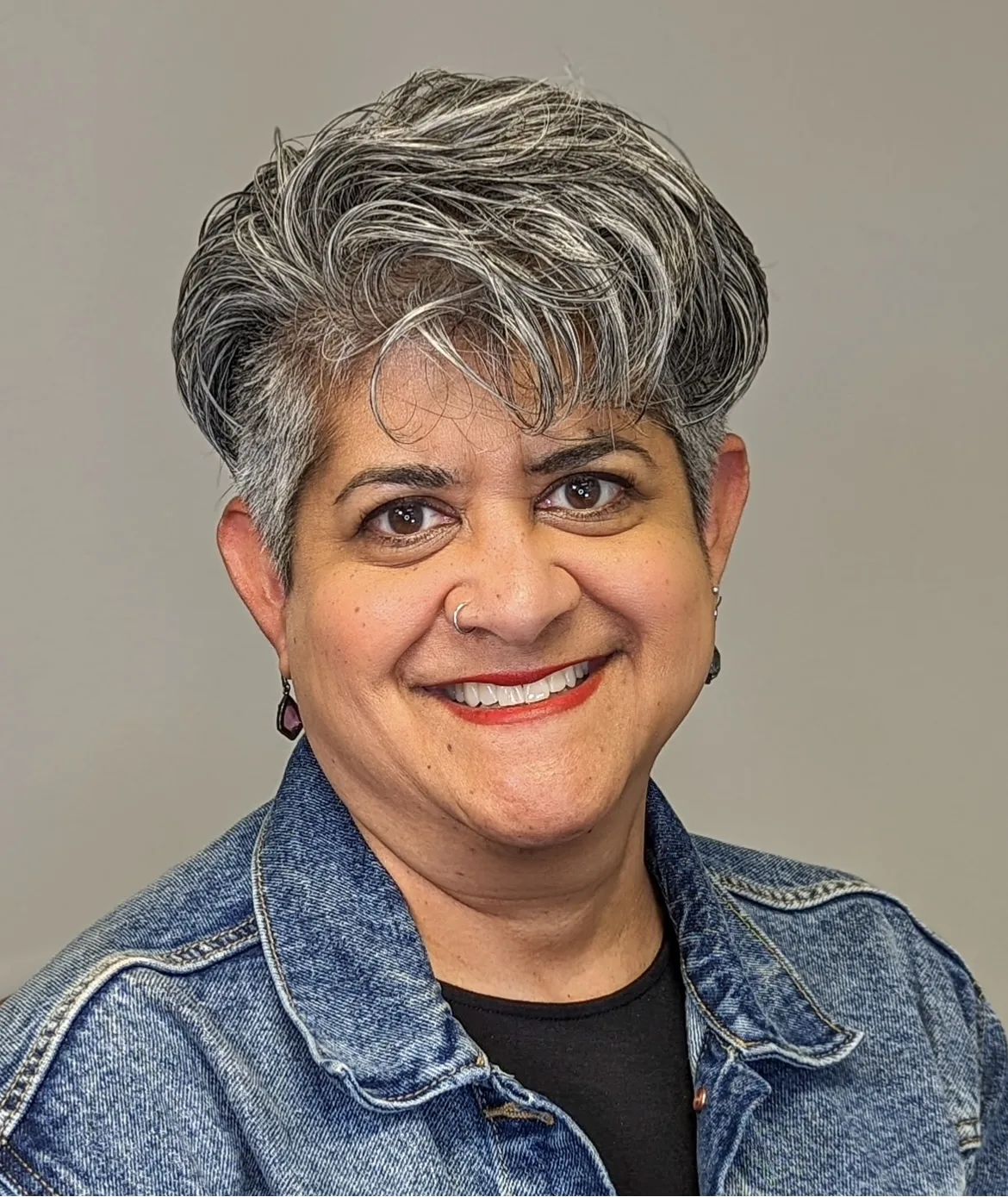
Engineering and design processes are often taught as stand-alone topics (build a bridge, construct a tower, etc.) that need to be added into an already time-crunched pacing guide, and students may never see them as necessary skills for understanding science topics. In Beyond the Build Challenge: Using Design Process as a Framework for Everyday Teaching, we will use engineering and design processes as a framework for teaching science concepts across the elementary and middle school curriculum. Using Kaleideum’s exhibits as a learning laboratory, participants will leave with practical applications to transform existing science topics into student-centered STEM investigations that will enhance STEM literacy without needing to add a separate unit to an already crowded curriculum.
Dr. Shari Brady is a 16-year veteran of the middle and high school science classroom in Winston-Salem/Forsyth County Schools with a PhD in Science Education. She has mentored teachers and taught science methods and content area biology classes at the college level. She is currently the Vice President of Education and Engagement at Kaleideum, where she oversees the development and implementation of informal science curriculum across a wide range of age groups, utilizing the design process to make learning accessible.
Instructor: Dr. Brook Davis, Professor, Department of Theatre and Dance, Wake Forest University
Date: Tuesday, November 3, 2026
Time: 9:00 am – 11:00 am
Instructional Contact Hours: 2
Location: Old Town Elementary School
Primary Audience: Novice K-12 Teachers
Note: Appropriate for educators of any experience level, including administrators, coaches, cooperating teachers, and mentors who work with beginning and novice teachers.

Actors and teachers share many skills; creativity, the ability to use their voices and bodies to engage an audience, and empathetically connecting with others are just a few. In this workshop, Teach like an Actor and Act like a Teacher, we will explore techniques actors use to communicate clearly in different situations. Participants will participate in theatre games to build confidence, engage in physical/vocal activities to help express ideas clearly, and learn theatrical tactics to engage a classroom. Come prepared to play! You will leave the workshop with exercises and techniques you can use personally and share with your students.
Dr. Brook Davis joined the Wake Forest University Department of Theatre and Dance in 1997 and regularly teaches Introduction to Theatre, Dramatic Literature, Acting, and Theatre in Education. She also directs for WFU and professionally. Brook’s research interests include theatre pedagogy; 20th and 21st Century American dramatic literature; and practitioner, educator and playwright, Constance D’Arcy Mackay. In 2000, Brook developed the Theatre in Education class that partners Theatre and Education students and places them in public school classrooms to assist teachers with theatrical, curriculum-based lesson design and instruction. Partnering with the Winston-Salem/Forsyth County Schools, Brook has also taught Theatre for Youth (around the development of the Paisley Drama Program) and Education for Social Change (working with the teachings of Augusto Boal to combat bullying in the schools). Brook regularly volunteers with Freedom School and in local elementary schools to lead creative drama workshops.
Instructor: Colleen Foy, STEM Librarian, and Amanda Kaufman, Head of Instruction and Outreach, ZSR Library, Wake Forest University
Date: Friday, November 6, 2026
Time: 2:00 pm – 4:30 pm
Instructional Contact Hours: 2.5
Location: TBA
Primary Audience: High school educators who teach research in their disciplines
Note: Appropriate for any teachers interested in developing student or personal research skills


COMING SOON!
Scholarly Research in the High School Classroom will focus on integrating research skills into the high school curriculum across content areas. This course is designed to help teachers guide students through the research process (e.g., topic development, developing a search strategy, source evaluation, plagiarism and citation) while navigating emerging challenges, particularly those presented by artificial intelligence tools.
Colleen Foy is the STEM Librarian at the Z. Smith Reynolds Library, Wake Forest University. She teaches health literacy and biomedical critical appraisal courses. Colleen also supports faculty and students when conducting evidence synthesis-based research projects.
Amanda Kaufman is the Head of Instruction and Outreach at the Z. Smith Reynolds Library, Wake Forest University. For the past 13 years, she has taught the library’s popular scholarly research course, LIB100: Academic Research and Information Issues. She also works with faculty and students conducting scholarly research in the Writing and Education programs .
Instructor: Pamela Henderson, Director of Magnet Schools, Winston-Salem/Forsyth County Schools
Date: Thursday, December 3, 2026
Time: 4:30 – 7:30 pm
Instructional Contact Hours: 3
Location: J.F. Kennedy High School
Primary Audience: K-12 classroom teachers, instructional coaches, and curriculum specialists interested in thematic, project-based, and interdisciplinary instructional and assessment design
Note: Content translates well beyond magnet contexts — any teacher looking to deepen engagement through theme-based or project-based instruction will find this course applicable

Drawing on nearly two decades of experience in magnet and theme-based schools, Multiliteracies in Project-Based Learning: Lessons from Magnet Schools explores how intentional, theme-integrated instruction can move students beyond simply meeting grade-level standards toward authentic application, creativity, and ownership of their learning. Participants will examine real classroom examples of standards-aligned instruction woven through a compelling theme, and will leave with practical strategies for designing lessons and units that engage student curiosity without sacrificing rigor. The course is grounded in the idea that when instruction connects to what students care about, achievement and engagement rise together.
Pamela Henderson is the Director of Magnet Schools and MSAP Project Director for Winston-Salem/Forsyth County Schools, where she oversees 20 magnet and IB schools and leads a federal Magnet Schools Assistance Program grant. She brings nearly 20 years of experience in WS/FCS as a teacher and magnet coordinator before moving into central office leadership, and is currently completing her doctorate at Appalachian State University, where her research focuses on making district-level infrastructure and systems supporting magnet and theme-based schools more visible to decision-makers. She recently joined the Board of Directors at Sawtooth School for Visual Art, and was selected to serve on North Carolina’s newly established Innovation Leadership Council under NCDPI’s Achieving Educational Excellence Strategic Plan.
Instructor: Dr. Joan Mitchell, Assistant Teaching Professor of Education, Wake Forest University
Date: Wednesday, March 10, 2027
Time: 1:30 – 4:00 pm
Instructional Contact Hours: 2.5
Location: Reynolda House Museum of American Art
Primary Audience: Secondary teachers from all disciplines interested in teaching writing

How can we design writing instruction across all disciplines that is meaningful and purposeful beyond the classroom? During this course, Beyond AI: Reclaiming Voice and Authenticity in Disciplinary Writing, we will attempt to answer this pressing question through the lenses of current writing research, theory, and practice. The instructor’s experience teaching at the high school and college level over the past two decades have affirmed that the majority of students view writing purely as a means (i.e., painful, formulaic) to an end (i.e., the grade). By exploring and naming the crucial cognitive benefits of writing in each of our disciplines, we will reveal what AI lacks: human insight, authentic voice, and critical thinking skills. Then we are positioned to explore approaches to writing instruction that prioritize those essential “human” qualities and motivate students to see writing as a valuable tool for thinking and communication in the real world.
Dr. Joan Mitchell is an Assistant Teaching Professor in English Education at Wake Forest University. She is a proud alumnus of Wake Forest where she received her BA in English and her MAEd in English education before earning her doctorate at the University of Alabama. Dr. Mitchell is a former high school English teacher who now serves as the secondary education director and English education coordinator in the Department of Education. She teaches undergraduate and graduate courses in writing pedagogy. Her research focus is the pedagogy of revision and its impact on student writing. She is the co-author of the English education textbook Bridging English (6th ed.) and has published articles in various education journals and texts.
Instructor: Dr. Alan Brown, Professor, Department of Education, Wake Forest University
Date: Saturday, April 10, 2027
Time: 1:00 pm – 4:00 pm
Instructional Contact Hours: 3
Location: Manchester Athletic Center, Wake Forest University
Host: Wake Forest Athletics
Primary Audience: Middle and high school teachers
Note: Appropriate for core, elective, CTE, and physical education teachers. Upper elementary teachers may also find relevance.

Love them or loathe them, the prominence of sports in schools and society is undeniable. Developing Contemporary Literacies through Sports is an interactive course that will explore sports as an extra-curricular topic worthy of study across content areas and consider its impact on literacy, education, culture, and society. Drawing on fiction, informational texts, and popular culture, this course will support educators who hope to turn sports into a pedagogical ally. Educators will leave with practical ideas and resources they can implement in their classrooms immediately.
*Optional tours of Manchester Athletic Center and Pruitt Football Center will be available from 4:00 to 5:00 pm for registered participants courtesy of Wake Forest Athletics.
Dr. Alan Brown is Professor of English Education at Wake Forest University. A former high school English teacher and basketball coach, he is the inaugural director for the Wake Forest Center for Literacy Education, director of graduate education in the Department of Education, director of the Skip Prosser Literacy Program, and co-PI for Winston-Salem TEACH. Dr. Brown teaches undergraduate and graduate courses on topics including action research, adolescent literacy, arts integration, educational leadership, English methods, secondary education, and young adult literature. His scholarly interests include critically examining the culture of sports in schools and society while connecting contemporary literacies to students’ extra-curricular interests. He is the co-author of Reading the World through Sports and Young Adult Literature (NCTE, 2024), co-editor of Developing Contemporary Literacies through Sports (NCTE, 2016), and has published in numerous English language arts, education, and sport journals.
Instructor: Paul Whitener, Associate Director of Digital Fabrication and Maker Education, Wake Forest University
Date: TBA
Time: TBA
Instructional Contact Hours: 4
Location: TBA
Host: WakerSpace, Wake Forest University
Primary Audience: Any K-12 educator with an interest in collaborative, innovative, and hands-on learning

Making in the K-12 Classroom will take place at WakerSpace on the campus of Wake Forest University and will introduce simple hands-on projects to help teachers encourage students’ critical thinking, problem solving, collaboration, and creativity. It will highlight the value of “making” as it pertains to wellbeing both in and out of the classroom. The workshop is open to all K-12 educators and will include a broad range of topics and tools, such as 3D printing, podcasting, crafting, Makey Makey, and the Marshmallow Challenge to encourage and foster hands-on experiential learning.
Paul Whitener is Associate Director of Digital Fabrication and Maker Education at Wake Forest University. As an Information Systems staff member assigned to the Wake Forest makerspace, the WakerSpace, Paul is involved in technology and making, which is used to teach students in and out of the classroom. With a bachelor’s Degree in Communications with a Television Production Concentration and an Associate’s Degree in Electronic Engineering, Paul brings over 30 years of experience, all based in technology, to the program. In his current role, Paul works with students on a daily basis helping them to utilize various “maker” technologies in their coursework. He has also co-facilitated the Computer Science STEM Robotics course as well as led many “pop-up” labs geared towards extracurricular learning for the WFU community. These labs include Arduino, Raspberry Pi, Makey Makey, laser cutting, and 3D printing technologies. In the spirit of Pro Humanitate, Paul is also involved in many technology outreaches to middle and high school students.
Instructor: Professors Chris Sheridan, Chris Zaluski, Peter Gilbert, and Cara Pilson
Date: TBA
Time: 9:00 am to 2:00 pm (includes lunch hour)
Instructional Contact Hours: 4
Location: Wake Forest Graduate School Brookstown Campus (Third Floor)
Host: The Documentary Film Program at Wake Forest University
Primary Audience: K-12 educators across disciplines interested in storytelling, documentaries, and media

Some of our best learning and teaching comes through the use of stories and storytelling. In Unlocking the Power of Storytelling, you will learn that the art and craft of storytelling is no longer just for writers and filmmakers – it’s a valuable skill increasingly needed across all industries, and one of the most effective ways to reach your students. In this half-day, interactive workshop, the professors in the Wake Forest University Documentary Film Program will show you what makes a good story, how to effectively use storytelling and documentaries in your teaching, and run you through a fun, interactive video project that you can do with your students to help with their media literacy and help them start to build their own voice. No video experience necessary–just come with a passion for storytelling and a curiosity for how to better leverage stories in your classroom.
Chris Sheridan teaches courses in documentary and sports storytelling, digital and social media, and the business of sports media. He also supervises student internships. Sheridan is an award winning, journalist, content creator and media executive who has built and led content teams at some of the biggest media companies including ESPN, CNBC, NBC and ABC.
Christopher Zaluski teaches courses in advanced production, visual storytelling, and public advocacy. Prior to higher education, he worked as a multimedia journalist for The St. Louis Post-Dispatch and The Roanoke Times as well as the the Director of Video at Teach For America.
Peter Gilbert teaches courses in documentary storytelling, sports storytelling, cinematography and sound and entrepreneurship. Gilbert has had a distinguished career in producing, directing, and photographing documentaries, feature films, commercials, and music videos. He is one of the filmmakers who made Hoop Dreams, serving as a producer and director of Photography.
Cara Pilson teaches in the areas of documentary storytelling, research, clearance and fair use, ethics, and documentary history. She has worked as associate director, chief researcher and web producer on multiple award-winning films that were broadcast nationally and internationally, including, Negroes with Guns: Rob Williams and Black Power and Freedom Never Dies: The Legacy of Harry T. Moore.
Instructor: Kathryn Pegram, Visiting Lecturer, Department of Education, Wake Forest University
Date: TBA
Time: TBA
Instructional Contact Hours: 3
Location: TBA
Primary Audience: K-12 teachers across grade levels and disciplines

Social emotional literacy is a hot topic in schools, but what does it actually look and feel like to embed these practices into your own classroom? In this participatory course, Mindful Social Emotional Literacy, teachers will experience mindfulness and contemplative practices firsthand, exploring the research behind them, and connect that experience to social emotional literacy: the language of emotion, connection, and belonging. These practices will not only support teachers in their own stress relief, but also, will give them practices to support students in de-escalation, stress relief, and general wellbeing. Ultimately, in this session, teachers will gain language and practices to support students in naming their needs and advocating for themselves across diverse communities.
Kathryn Pegram is a Visiting Lecturer in the Department of Education with a staff appointment in the Center for Literacy Education. Kathryn holds a degree in mathematics from Wake Forest University, with a double minor in secondary education and political science, as well as a master’s degree in Education Policy and Management from the Harvard Graduate School of Education. Kathryn has spent her career working in K–12 public charter schools as a mathematics teacher, assistant principal, principal, and consultant. Now, as a PhD candidate at UNC Greensboro, she researches how educators and school leaders can build schools rooted in critical and caring practice.
Instructor: Russell Dirgo, Research Scholar, The Friday Institute at NC State University
Date: TBA
Time: TBA
Instructional Contact Hours: 3
Location: TBA
Primary Audience: K-5 educators
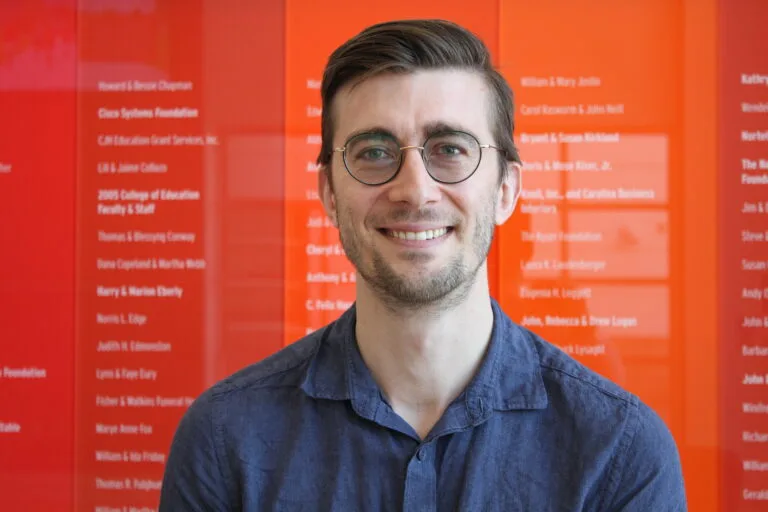
Designed for K-5 educators, Little Thinkers, Big Ideas: Bringing Computational Thinking to K–5, introduces core computational thinking (CT) skills and foundational computer science concepts through a blend of interactive, hands-on plugged and unplugged activities. Participants will explore practical scaffolding strategies tailored for elementary learners while discovering simple, seamless ways to integrate CT into their existing curriculum without adding extra time to the school day. By the end of the session, teachers will leave with a focused toolkit of ready-to-use, age-appropriate activities to immediately engage their students.
Russell Dirgo is a Research Scholar at the Friday Institute for Educational Innovation at NC State University and a recognized leader in computer science education with 14 years of experience in the field. A veteran educator of 10 years, including 7 years specializing in K-12 computer science, Russell brings deep classroom-tested expertise to his work. He has trained over 600 teachers across North Carolina and authored CS professional development programs used by thousands of educators nationwide.
Instructor: Dr. Brook Davis, Professor, Department of Theatre and Dance, Wake Forest University
Date: Tuesday, October 6, 2026
Time: 4:30 pm to 6:30 pm
Instructional Contact Hours: 2
Location: 163A/B Alumni Hall, Wake Forest University
Primary Audience: Novice K-12 Teachers
Note: Appropriate for educators of any experience level, including administrators, coaches, cooperating teachers, and mentors who work with beginning and novice teachers.
Course Completed
Actors and teachers share many skills; creativity, the ability to use their voices and bodies to engage an audience, and empathetically connecting with others are just a few. In this workshop, Teach like an Actor and Act like a Teacher, we will explore techniques actors use to communicate clearly in different situations. Participants will participate in theatre games to build confidence, engage in physical/vocal activities to help express ideas clearly, and learn theatrical tactics to engage a classroom. Come prepared to play! You will leave the workshop with exercises and techniques you can use personally and share with your students.
Dr. Brook Davis joined the Wake Forest University Department of Theatre and Dance in 1997 and regularly teaches Introduction to Theatre, Dramatic Literature, Acting, and Theatre in Education. She also directs for WFU and professionally. Brook’s research interests include theatre pedagogy; 20th and 21st Century American dramatic literature; and practitioner, educator and playwright, Constance D’Arcy Mackay. In 2000, Brook developed the Theatre in Education class that partners Theatre and Education students and places them in public school classrooms to assist teachers with theatrical, curriculum-based lesson design and instruction. Partnering with the Winston-Salem/Forsyth County Schools, Brook has also taught Theatre for Youth (around the development of the Paisley Drama Program) and Education for Social Change (working with the teachings of Augusto Boal to combat bullying in the schools). Brook regularly volunteers with Freedom School and in local elementary schools to lead creative drama workshops.
Instructor: Kathy Wilheit, Literacy Specialist, Center for Literacy Education, Wake Forest University, and Abi Woodson, WS/FCS English Language Arts Instructional Coach
Date: Saturday, September 26, 2026
Time: 9:00 am to 12:00 pm
Instructional Contact Hours: 3
Location: 168 Alumni Hall, Wake Forest University
Address: 5911 Forest Bridge Dr, Winston-Salem, NC 27109
Host: Wake Forest Department of Education
Primary Audience: K-12 teachers who plan to implement ELA standards in 2027-28
Course Completed
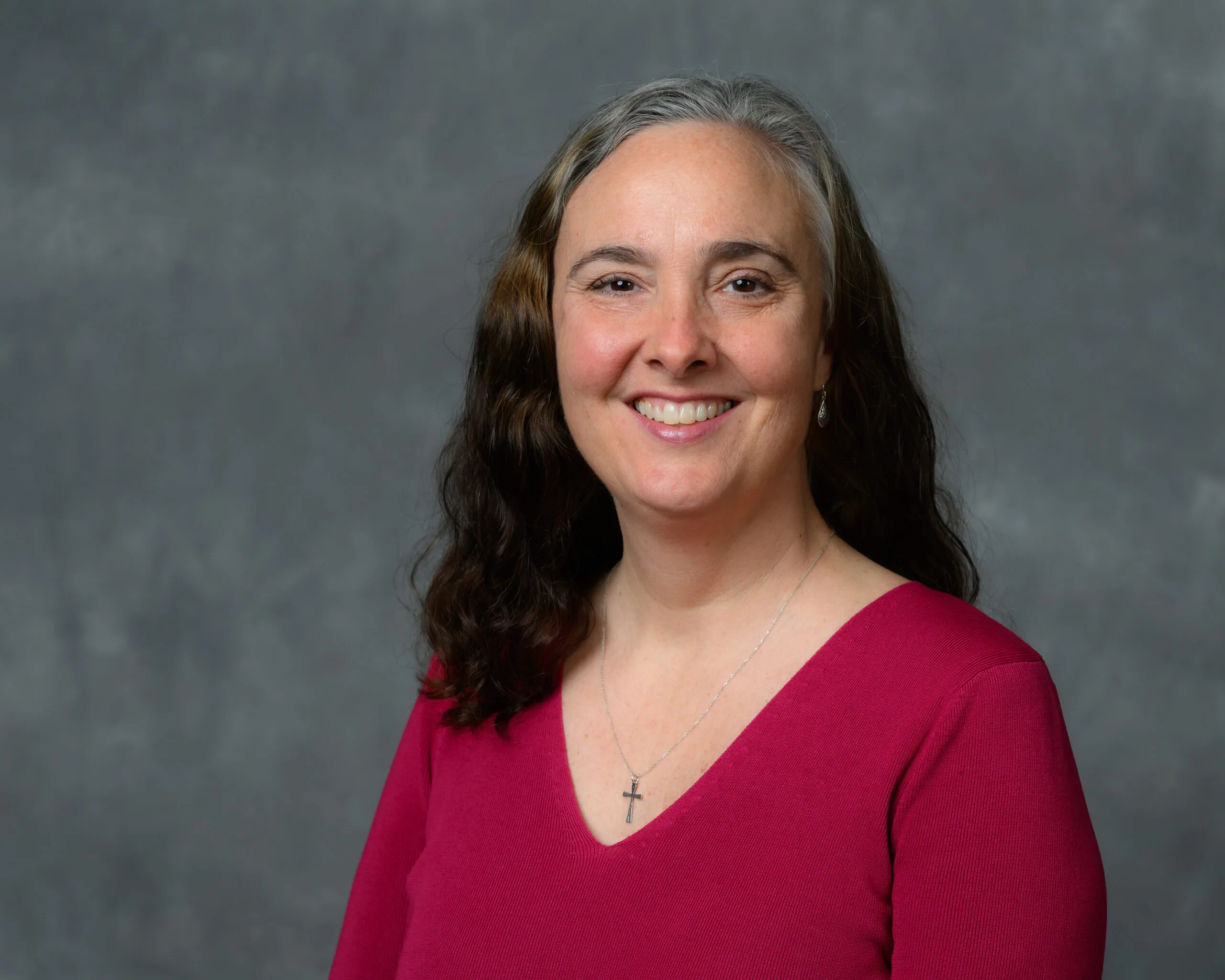
Are you already thinking about the shift to the new North Carolina ELA standards in 2027-28? Gearing Up for Change: The 2026 NC ELA Standards is designed to be a collaborative learning experience in which you direct the learning. Leaders will provide guiding questions. Participants will have time to look at the new standards, explore differences from previous standards, dig into the unpacking documents, and discuss with peers along the way. This is not a “sit and listen” workshop–it is an opportunity for targeted work with colleagues in a protected time and space. When you register, please be sure to provide the grade level/s you teach so that we can collect the needed materials and group educators accordingly.
Kathy Wilheit retired from Winston-Salem/Forsyth County Schools after 29 years and served in a variety of roles. She taught Spanish, English as a Second Language, served as a school-based instructional facilitator, and worked as a district coach twice, once as K-12 ESL Lead Teacher and once as an Elementary English Language Arts Coach. As an adjunct professor in the Department of Education, she taught Elementary Literacy and Exploring School Communities. Currently she champions Teacher Professional Learning with the Center for Literacy Education, and supports undergraduates in field experiences.
Abi Woodson has been an educator committed to strengthening literacy instruction and improving outcomes for students for 22 years. She spent 15 years teaching 3rd and 4th grade before transitioning to her current role as an English Language Art Instructional Coach, where she supports teachers and schools in implementing research-based literacy practices that translate into meaningful student growth. She is passionate about helping teachers understand not just the what and how of instruction, but the why and how intentional instructional decisions can directly impact what students know, understand, and are able to do as readers. She enjoys collaborating with educators and both creating and joining professional learning experiences that are engaging, relevant, and immediately applicable.
Additional 2026-2027 Courses Coming Soon!
2026-2027 TPL Flyer
edCamp336
edCamp336 will be held on Saturday, February 27, 2027, from 8:30 am to 12:00 pm at Wake Forest University. Join us for a morning of professional learning done in a truly organic manner. The idea behind this “unconference” is to invite discussion that participants suggest and then lead for themselves. Registration is free and open to all K-12 educators and university students.
If you would like to support Teacher Professional Learning at Wake Forest University, please consider giving to the Center for Literacy Education. Your support will help ensure these courses remain accessible to K-12 public school teachers and administrators, Wake Forest alumni, and university pre-service teachers in the future.
To learn more about teacher education programs at Wake Forest University, please visit the Department of Education.
If you are interested in residential professional development programs, please visit the North Carolina Center for the Advancement of Teaching (NCCAT) with campuses in Cullowhee and Ocracoke.
If you are interested in topics and courses beyond the realm of K-12 education, please visit the Lifelong Learning Program at Wake Forest University.